USB Secure — Password Protect USB Drives [Full Review 2026]


A comprehensive look at the security software landscape for removable drives. We evaluate USB Secure, BitLocker, hardware encryption, and manual methods to find the most reliable way to secure your flash drives against unauthorized access.

Quick Answer

To password protect a USB drive efficiently without relying on Windows Pro features (like BitLocker), third-party software is required. USB Secure emerges as the most straightforward portable solution for individual users, allowing seamless password protection across multiple computers without requiring administrator rights to decrypt files.

Editorial Team June 2026 14 min read

No Admin Rights Needed

Instantly access your encrypted vault on any public or guest computer.

Works on any PC

A self-contained executable ensures universal compatibility across devices.

Portable drives are the weakest link in personal and corporate security. Here is how modern encryption software attempts to solve the problem.

Whether you are transferring sensitive tax documents, carrying proprietary business files, or simply keeping personal photos offline, USB flash drives remain universally useful. Unfortunately, they are also universally vulnerable. A lost thumb drive typically means exposed data.

The core search query we see repeatedly is: How to password protect USB drives? While enterprise environments deploy forced endpoint policies and expensive hardware-encrypted drives, everyday users and small business owners need a software solution that travels with the drive.

In this review, we look closely at USB Secure, a popular data protection utility designed specifically for removable media. We analyze how it stacks up against built-in operating system tools, free open-source alternatives, and competing commercial software.
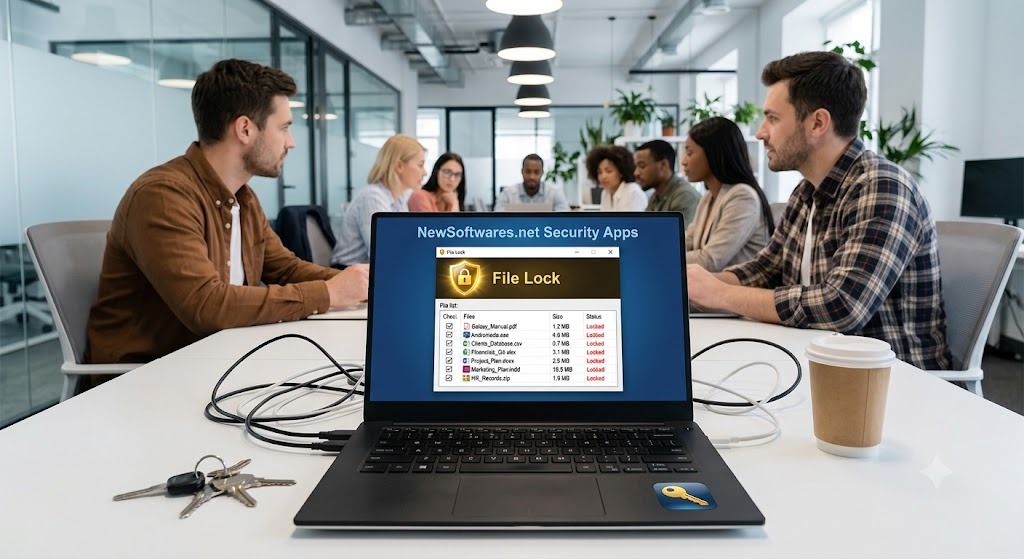
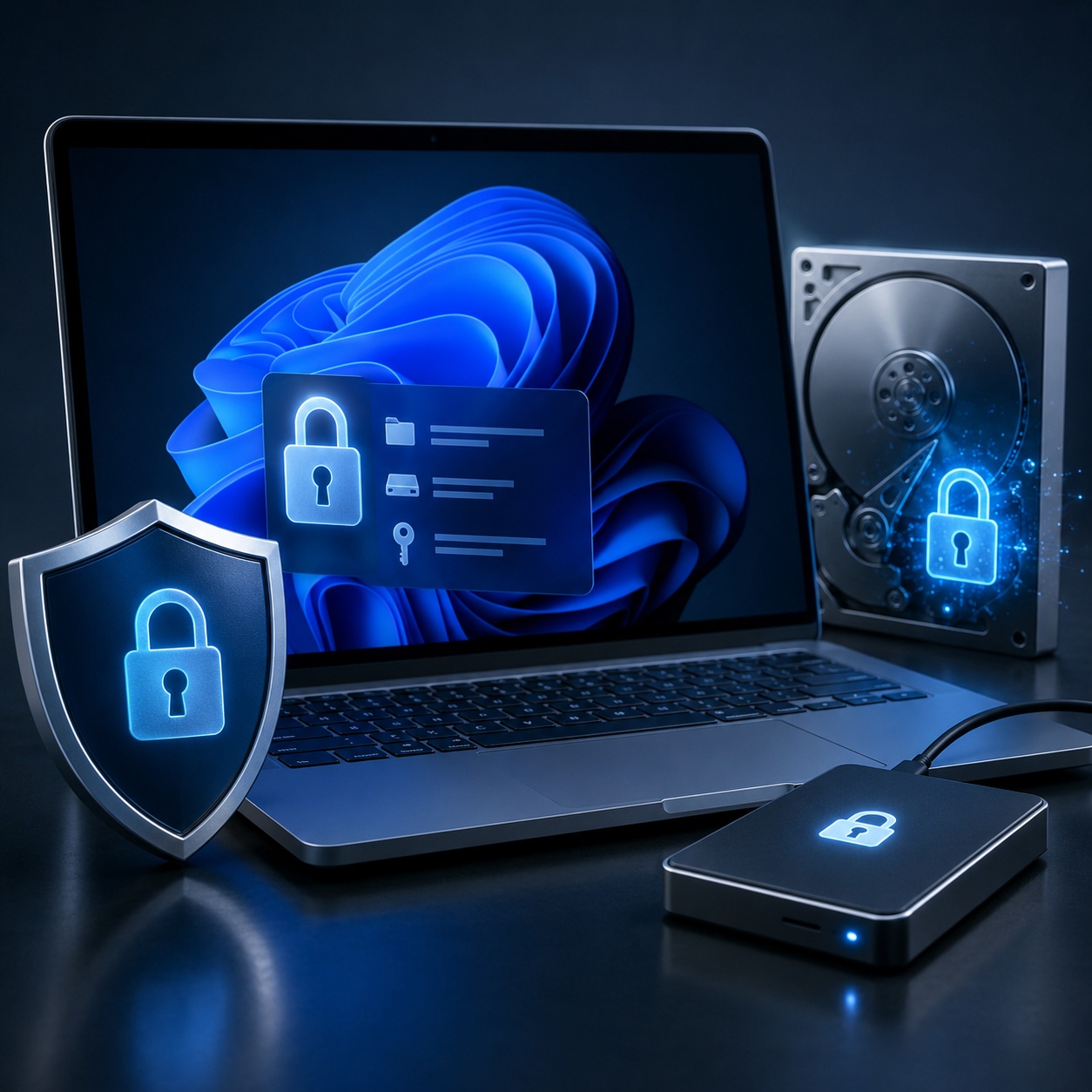
Review of USB Secure software displaying physical drive security alongside digital encryption interface
The fundamental flaw of traditional desktop encryption software is that it locks the data to the machine. True USB security must travel with the hardware, allowing secure access on any host PC.

Is USB Secure Software Right For You?

Different user environments require different levels of flash drive protection. Here is how software-based USB encryption fits various profiles.

Student using a shared public computer in a library setting

The Public PC User

Scenario: You frequently plug your drive into library, university, or print-shop computers.

Requirement: Needs portable encryption that doesn't require installing admin-level software on the host machine.

Multiple devices illustrating cross platform synchronization between Windows and Mac

The Cross-Platform Worker

Scenario: You move between a Windows desktop at the office and a Mac at home.

Requirement: Needs files to be accessible regardless of whether BitLocker or FileVault is natively supported.

IT professional managing enterprise security policies on a monitor network

The IT Administrator

Scenario: Managing a team that handles sensitive client data on external drives.

Requirement: Needs endpoint protection (like USB Block) combined with standardized USB security policies for organizations.

Windows 11 interface showcasing native EFS and BitLocker device encryption tools

USB Protection Methods Guide

Before committing to a third-party tool like USB Secure, it is vital to understand the landscape of available protection methods. Below, we outline how secure USB flash drives protect the data stored on them from access by unauthorized individuals using different methodologies.

1. Built-in OS Tools (Windows BitLocker to Go)

Difficulty: Moderate

Windows 10 and 11 Pro/Enterprise editions include BitLocker to Go. It encrypts the entire volume of the USB drive using AES encryption.

  • Pros: Free if you have Windows Pro; deeply integrated.
  • Cons: Cannot be created on Windows Home editions; poor native compatibility with macOS.
Enable BitLocker via CMD (Admin)
manage-bde -on E: -Password

2. Hardware-Encrypted USB Drives

Difficulty: Low

Drives like the Kingston IronKey feature physical keypads or internal cryptographic chips.

  • Pros: FIPS 140-2 certified; immune to software keyloggers; operates independent of the OS.
  • Cons: Significantly more expensive than standard drives; hardware failure means total data loss.

3. Portable Encryption Software (e.g., USB Secure, VeraCrypt)

Difficulty: Low-Moderate

These tools either encrypt individual files on the drive or create an encrypted container file. USB Secure falls into this category, installing a lightweight executable directly onto the thumb drive.

  • Pros: Works on standard, inexpensive flash drives; portable access across different PCs.
  • Cons: VeraCrypt requires admin rights to mount containers. USB Secure requires the host PC to run an executable.

Comparing the Approaches

A head-to-head analysis of the most common removable drive security vectors.

Security Vector Cost Factor Cross-Platform Portability Admin Rights Overall Security Level
BitLocker to Go Free (Pro OS) Windows Only Required High
USB Secure Software Paid License High (Self-contained) Not Required High
Hardware Drive High ($50-$200) Universal Not Required Military Grade

Core Features of USB Secure

When reviewing encryption software for flash drives, it helps to categorize what the software actually does versus what it claims. Here is the feature breakdown for USB Secure 2.20 and related versions.

Portability & Access

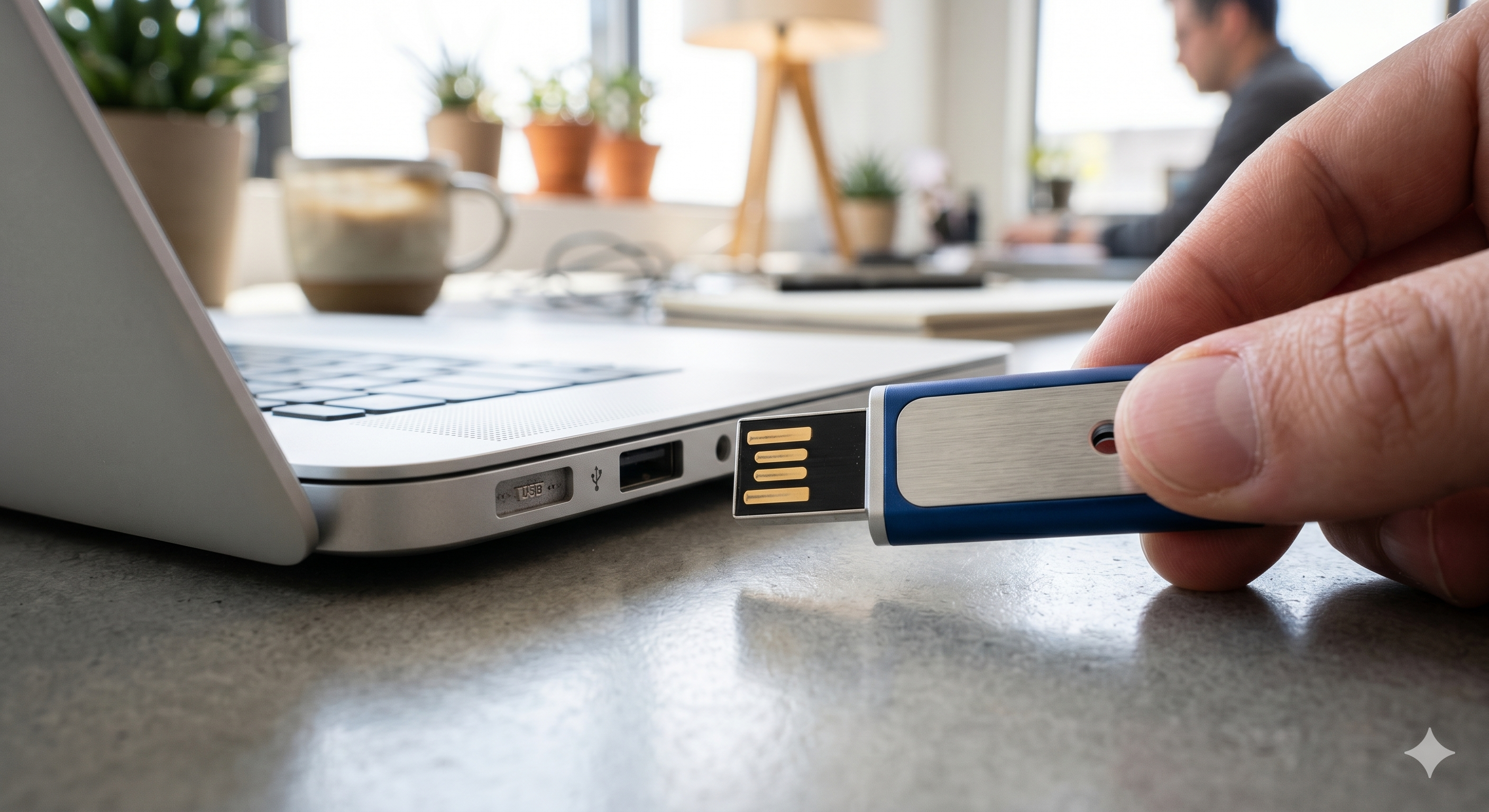
Zero-Installation Setup: The software executable lives on the USB drive itself. When you plug the drive into a new computer, you run the application directly from the drive to unlock your files, bypassing the need to install desktop software.

Admin-Free Operation: Unlike mounting virtual drives which often requires system administrator privileges, USB Secure decrypts files in a way that allows standard users to access their data on public or restricted corporate networks.

Data Protection

Multi-Drive Support: Licenses typically cover external hard drives, SD cards, and standard USB thumb drives. It functions as comprehensive external hard drive encryption software.

Anti-Data Deletion: The software adds layers to protect locked files from being accidentally formatted or deleted by casual users, though sophisticated formatting tools can still wipe the drive.

High resolution boxshot of the USB Secure software product packaging

The Tool We Recommend for Most Users

Of all the options we tested, we recommend USB Secure for individuals who need simple, reliable password protection without the steep learning curve of open-source cryptography tools.

No Admin Rights Needed Works on any PC One-Click Lock
Try USB Secure Free → Get the Full Version →
Screenshot of the USB Secure software interface displaying a password prompt for unlocking a secured drive

USB Secure vs. Alternatives

How does USB Secure compare to other tools on the market, such as Kakasoft USB Security or VeraCrypt? Here is our editorial software comparison.

USB Secure vs Folder Lock

While USB Secure is perfect for lightweight, on-the-go flash drive protection, users requiring rigorous cryptographic standards often step up to Folder Lock. Folder Lock utilizes on-the-fly AES 256-bit encryption to generate self-executable "Portable Lockers." These secure vaults can be stored on USB drives or sent as email attachments. Because they are self-contained executables, you can access your encrypted data on guest computers without installing the main software. Additionally, Folder Lock integrates seamlessly with Dropbox, OneDrive, and Google Drive for real-time secure backups, a feature absent in basic USB protectors.

USB Secure vs VeraCrypt

VeraCrypt is the gold standard for free hard drive encryption software reviews. It is open-source and incredibly secure. However, it requires admin rights to mount volumes. If you travel and use shared PCs, VeraCrypt will lock you out unless you have admin access. USB Secure sacrifices open-source auditability for immense ease-of-use and portability.

USB Secure vs Kakasoft USB Security

Based on our Kakasoft USB Security review, both tools operate on a similar paradigm (installing an executable on the drive). USB Secure generally offers a more modern interface and slightly better customer support documentation for the Windows 11 ecosystem.

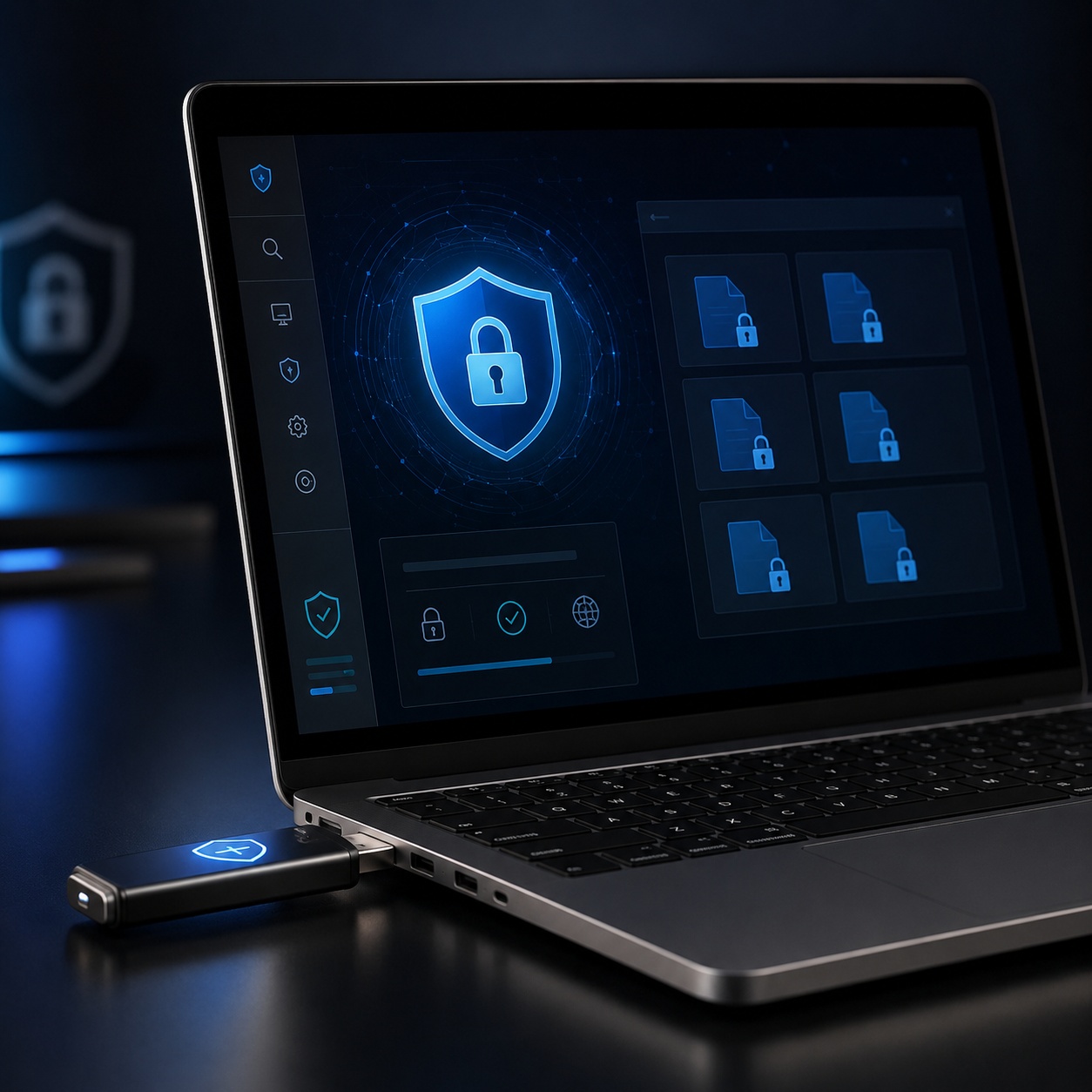
Conceptual illustration of USB disk security software performing encryption operations

How to Password Protect USB Drives with USB Secure

Setting up the software is a straightforward process. Here is the step-by-step walkthrough.

Step 1: Download and Run

Download the USB Secure setup file. Plug in your target USB flash drive. Run the installer and select your USB drive as the installation destination.

Step 2: Set Your Master Password

Upon initial launch from the drive, the software will prompt you to create a master password. Crucial tip: Store this in a password manager. If you lose this password, the data is unrecoverable.

Step 3: Lock Your Files

Drag and drop your sensitive files into the USB Secure interface, or click the "Lock" button. The software will encrypt and hide the original files from the standard Windows File Explorer.

Step 4: Accessing Files on a New PC

When you plug the drive into a different computer, simply open the drive in File Explorer, double-click the `USBSecure.exe` file, and enter your password. Your files will instantly become accessible.

Conceptual illustration of a secure connection protecting digital assets

Technical & Security Deep Dive

Understanding the underlying security concepts is essential for organizations implementing USB security policies.

BadUSB is a critical security flaw where a USB device's firmware is rewritten to act as a human interface device (like a keyboard). When plugged in, it rapidly executes malicious keystrokes. Note: Software like USB Secure protects the data on the drive from being read, but it does not prevent a physically compromised drive from executing a BadUSB attack on a host PC. To protect endpoints from BadUSB, software like USB Block is required.

No. Standard USB flash drives offer zero innate security. If lost, anyone who plugs them in can read, copy, or distribute the data. They are a massive security risk, making encryption software for USB drives reviews so critical.

Hardware encryption uses a dedicated physical chip on the drive to encrypt data. It is faster and immune to PC-based keyloggers. Software encryption (like USB Secure) uses the computer's CPU to encrypt data. While hardware is technically more secure, software encryption is far more cost-effective for everyday users.

Advanced suites utilize "Portable Lockers"—specialized encrypted containers (often saved as .flk or self-running .exe files) designed specifically for removable media. Unlike basic password tools that just hide the directory, Portable Lockers use AES 256-bit encryption to scramble the data. If you create a self-executable Portable Locker, the decryption engine travels with the file. This allows you to plug your flash drive into a public PC, double-click the vault, enter your credentials, and access your files without requiring administrative installation rights.

Historical context: The Crypto AG scandal revealed that assuming security is dangerous. In 1998, Wayne Madsen reported that built-in backdoors allowed governments to read encrypted communications. This is why modern encryption relies on public algorithms like AES rather than "secret" proprietary math.

Troubleshooting & Recovery

We receive frequent queries regarding license recovery and access issues. Here is how to legitimately manage your USB Secure installation.

How to recover a USB Secure forgot password

True encryption means there is no "backdoor" to simply bypass a password. If you forget your master password, you cannot use unauthorized scripts or bypass tools to view the data. You must rely on the legitimate recovery process, which typically involves utilizing the master recovery email address you set up during the initial software registration.

Locating your USB Secure registration key

If you need to reinstall the software and require your USB secure serial or registration key, do not download a "USB secure torrent" or "USB secure keygen". These are almost universally infected with malware (often trojans designed to steal the very data you are trying to protect). Instead, search your email inbox for the original purchase receipt from NewSoftwares.net, or contact their support team with your purchasing email address to have the key re-sent.

Protect USB from virus infections

Can a virus spread through a password-protected USB drive? Yes. While the encrypted files inside the secure container are safe from modification, the root directory of the USB drive itself is still susceptible to autorun malware. Practice safe USB disposal and data wiping, and never plug an unknown USB drive into your primary machine.

Security dashboard displaying a failed access log and system alert notification

Beyond the USB: The Folder Lock Ecosystem

For users whose security needs extend beyond a single flash drive, transitioning to a full encryption suite offers significant advantages. Here is what advanced tools like Folder Lock bring to the table.

Illustration representing secure syncing of private files to a cloud database

Cloud-Synced Encryption

Basic USB tools leave you vulnerable to physical hardware loss. Advanced suites allow you to link your secure vaults directly to Google Drive, Dropbox, or OneDrive, automatically backing up your AES-encrypted files off-site.

Illustration depicting fast virtual drive access across multiple platforms

Cross-Platform Accessibility

Maintain security across your entire hardware ecosystem. With dedicated applications for Windows, macOS, iOS, and Android, you can securely access your vaults, digital wallets, and private notes from your smartphone or desktop.

Secure file sharing concept showing data packets safely transmitting between users

Secure Collaboration

Sharing sensitive files usually means compromising security. Modern suites utilize asymmetric RSA encryption, allowing you to share locked files with authorized users without ever exposing your master password.

USB Security Risk Assessment

Unsure which protection method you need? Use our interactive tool to determine your risk profile.

Question 1 of 3: What type of data are you carrying?

Question 2 of 3: Where do you plug this drive in?

Question 3 of 3: Do you have administrative rights on all machines you use?

Result

USB Secure Pricing & Licensing

Understanding the difference between the free trial and the full license.

Free Trial Version

Allows you to test the software interface and compatibility with your drive.

  • Basic password protection
  • Usage limits / Trial period limits
  • No customer support
Download Free Trial →

USB Secure Full Version

Lifetime

A single purchase for long-term USB protection.

  • Unlimited file locking
  • No usage expiration
  • Priority customer support
  • Free minor updates
View Full Version Pricing →

User Experiences

To provide a balanced view, we compile feedback based on typical user scenarios utilizing encryption software for small business and personal use.

What is the primary benefit you've found using portable encryption?
"The relief of knowing that if I leave my thumb drive in a coffee shop, my clients' tax returns aren't immediately compromised. Being able to just plug it in and enter a password without installing heavy software makes it actually usable."
— Financial Consultant reviewing secure USB flash drives
How does it compare to built-in Windows tools?
"I used BitLocker for years, but the moment I tried to open files on my wife's Mac, or a Windows Home edition laptop, it became a nightmare. Third-party software bridges that gap perfectly."
— IT Support Specialist

Related Security Tools

These tools are developed by NewSoftwares.net, the same team behind USB Secure.

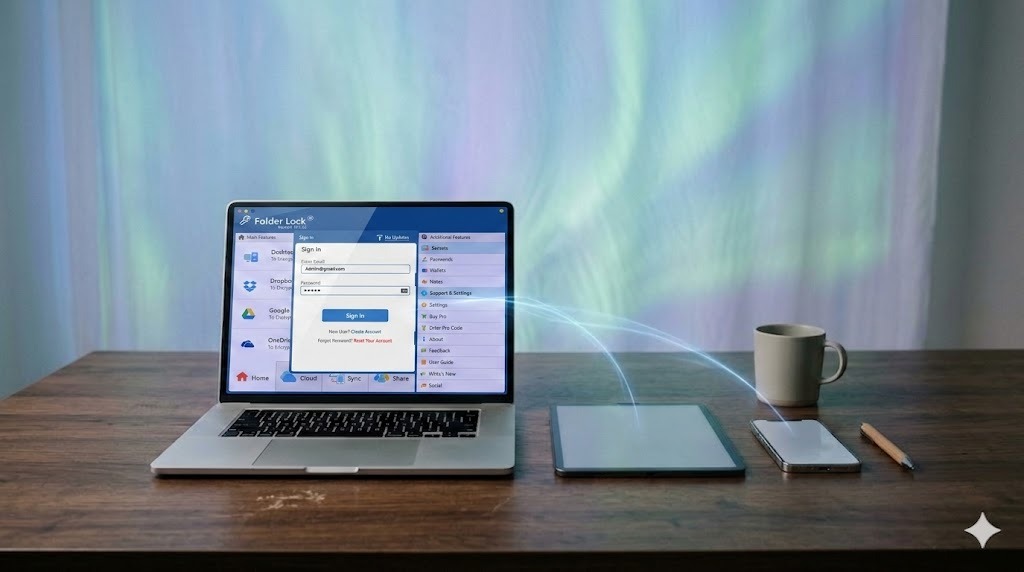
Screenshot of the Folder Lock 10 dashboard interface protecting files locally

Folder Lock

A comprehensive data privacy suite that goes far beyond basic USB security. It features AES 256-bit on-the-fly encryption, secure cloud synchronization, digital wallets, permanent file shredding, and hack-attempt monitoring.

Learn more →
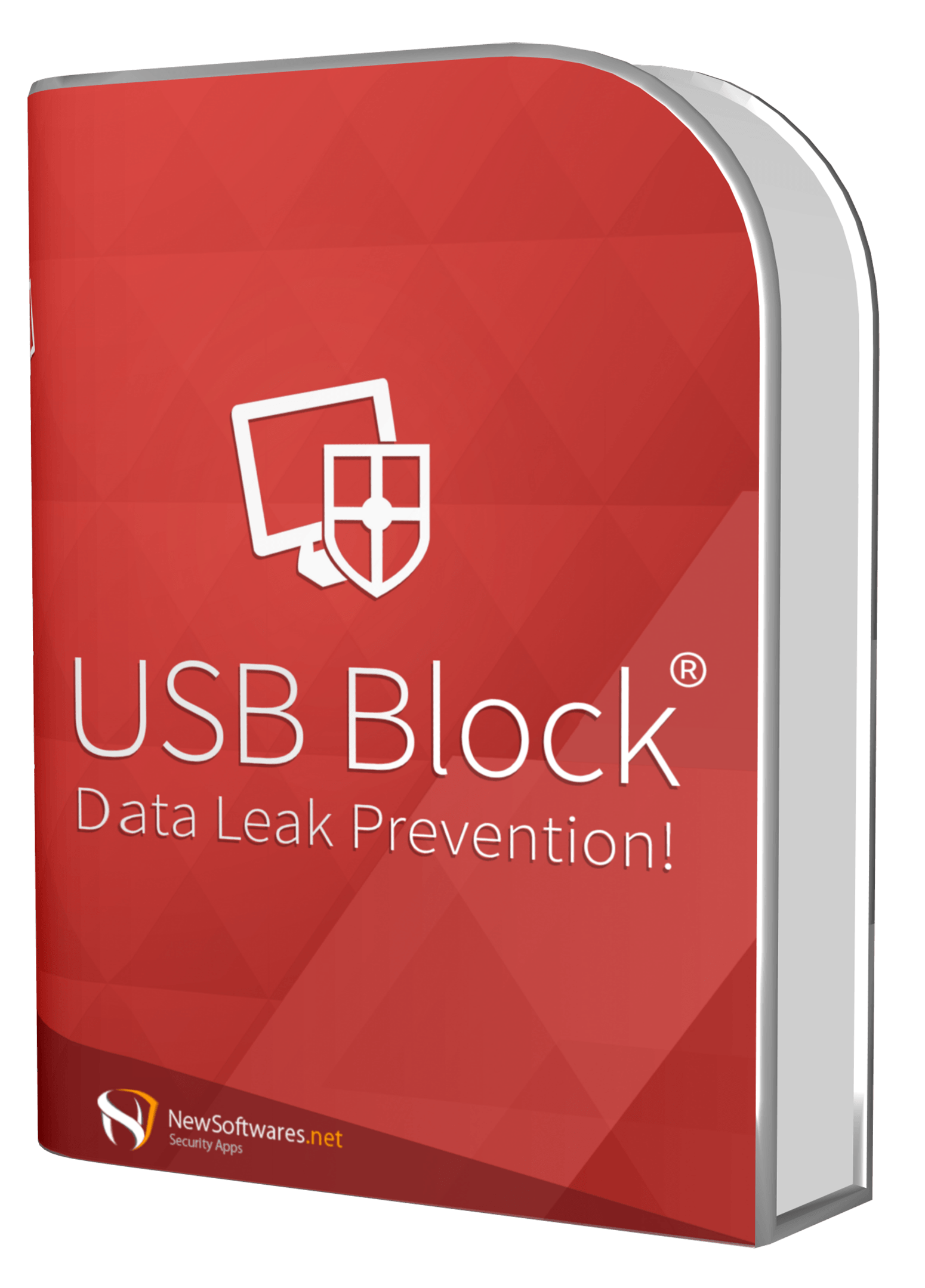
Product boxshot for USB Block endpoint security software

USB Block

Endpoint security software that prevents data leaks by blocking unauthorized USB devices from connecting to your PC.

Learn more →

Frequently Asked Questions

Basics & Usage

It is a specialized utility designed to password-protect external storage media like USB flash drives, thumb drives, memory cards, and external hard drives. It works by creating a secure, password-protected environment on the drive itself.

There is typically a free trial available that allows users to test the functionality, but a paid license is required for continuous, unlimited use. We recommend avoiding "usb port lock software free download full version" queries on third-party sites to avoid malware.

Always assume a shared computer is compromised. Use portable software that doesn't leave temporary files on the host PC. Never open highly sensitive documents on a public PC; only use shared PCs for viewing documents you intend to print or present.

Security & Encryption

Hardware-encrypted drives process cryptography via a dedicated physical chip built into the drive, offering the highest security. Software-encrypted drives use your computer's CPU to encrypt data onto standard, cheaper flash drives.

BitLocker is native to Windows Pro and encrypts the whole drive. It is highly secure but lacks portability across Macs or older PCs. USB Secure offers better cross-device portability without needing administrative installation rights.

Troubleshooting

Password recovery requires you to have set up a recovery mechanism (like an email binding) when you first initialized the software. Without the password or a recovery email, the encrypted data cannot be bypassed by design.

Our Verdict

If you rely on removable media for business or personal data, leaving it unencrypted is a critical risk. For users who need a balance of strong protection and everyday usability across multiple computers, USB Secure provides an effective, lightweight solution.

Try USB Secure free → Get the full version →